

The global construction sector relies on a fundamental composite material that has revolutionized how we build: reinforced concrete. While concrete itself is an engineering marvel with incredible compressive strength, it is inherently brittle when subjected to tension. This is where reinforcement bars, commonly known as rebar, step in to bridge the gap.
By embedding high-strength steel deep within concrete structures, engineers create a synergistic material capable of withstanding massive loads, environmental stress, and the test of time. Whether you are developing a residential property or a commercial high-rise, understanding the critical role of steel rebar is the first step toward a safe and enduring build.
Core Applications in Modern Building
Steel reinforcement elevates the structural integrity of concrete across a variety of essential applications:
-
Deep Foundations: Rebar allows poured concrete foundations to withstand the immense, compounding weight of the structure above while adapting to subtle shifts in the soil below.
-
Columns and Beams: Vertical and horizontal load-bearing elements rely on steel to prevent deformation, cracking, and structural fatigue over decades of use.
-
High-Rise Architecture: Skyscrapers require extreme flexibility to survive high winds and seismic events. A highly engineered skeleton of reinforced concrete provides this necessary dynamic resilience.
-
Civil Infrastructure: Bridges, overpasses, and tunnels endure constant vibration and heavy traffic loads. High-grade steel reinforcement prevents long-term buckling and failure in these high-stress environments.
The Prime Steel Industry Standard: Quality You Can Build On
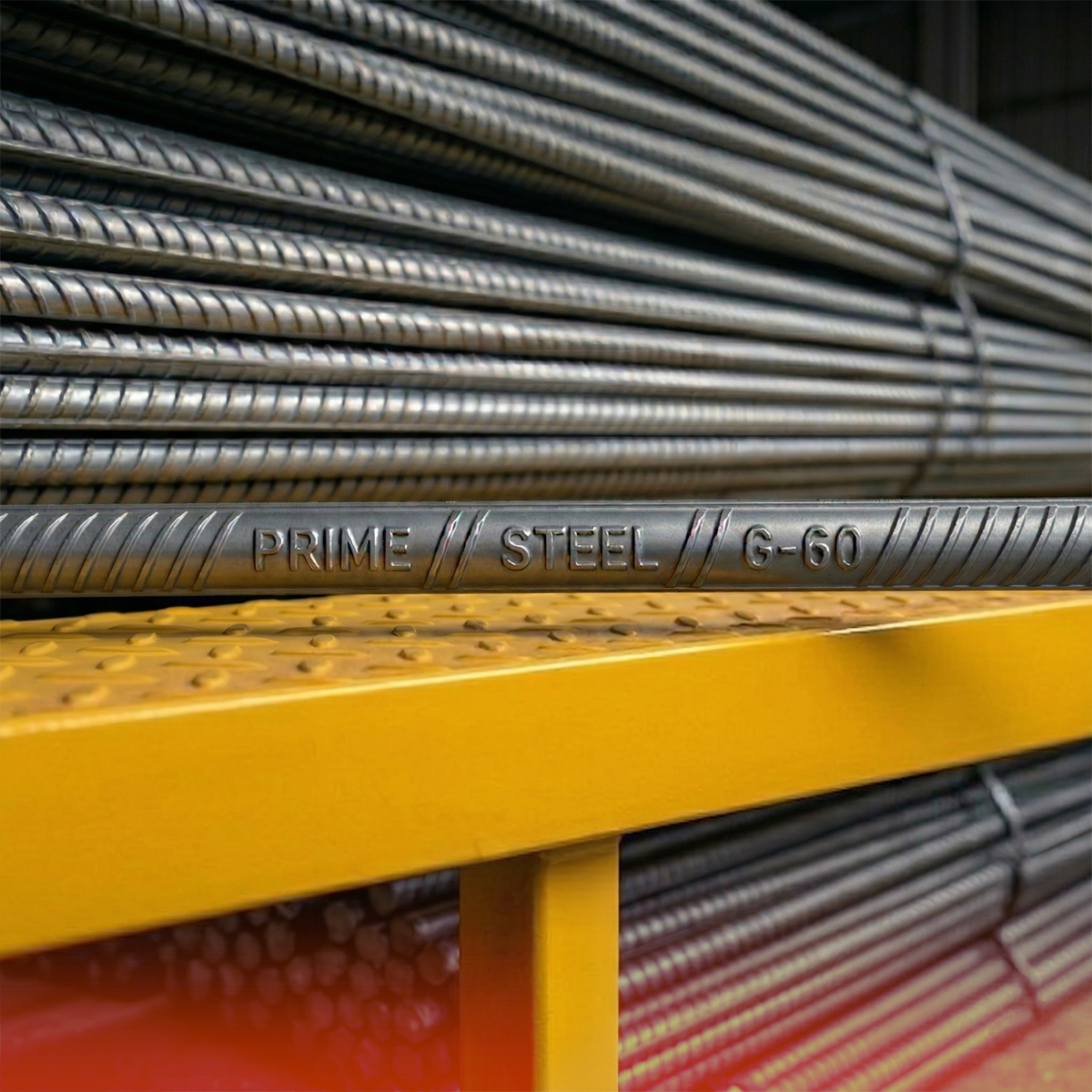
The structural integrity of a building is only as reliable as the quality of the steel inside it. Prime Steel Industry, located near FC Fort Shakas in Jamrud, District Khyber, has established itself as a premier manufacturer of construction steel in Pakistan. Operating with a daily production capacity of 300 metric tons, the facility ensures a consistent and reliable supply for both regional developments and national mega-projects.
What sets premium rebar apart from the informal market is the manufacturing technology and the strict adherence to international testing protocols.
-
Advanced CCM Technology: Prime Steel Industry utilizes modern Continuous Casting Machine (CCM) technology. This process bypasses traditional ingot-casting, resulting in billets with uniform chemical composition and higher internal density.
-
In-House Spectro-Lab Testing: Every single heat is rigorously analyzed in an advanced laboratory to ensure the chemical composition is perfectly balanced before the steel is rolled.
-
Uncompromising Compliance: All deformed steel bars are manufactured to exact ASTM A615/A615M international standards.
-
Certified Quality: The manufacturing process is backed by an ISO 9001:2015 certified quality management system and is fully PSQCA registered.
-
Proven Mega-Project Track Record: Prime Steel is the trusted structural foundation for highly demanding projects, including the Peshawar BRT elevated corridors, Mohata Dam, and various DHA phases.
Prime Steel Rebar Specifications
To guarantee precise engineering calculations and absolute safety on site, Prime Steel provides materials that meet strict dimensional and mechanical tolerances.
| Specification | Details |
| Available Grades |
Grade 40 and Grade 60 |
| Diameter Range |
10mm (#3) through 32mm (#10) |
| Standard Bar Length |
12 metres |
| Quality Assurance |
Full Mill Test Certificates provided with deliveries |
Investing in certified, high-quality reinforcement bars is not just a regulatory requirement; it is a fundamental commitment to safety, longevity, and economic efficiency. Substandard steel can lead to accelerated corrosion, structural failure, and catastrophic financial loss. By sourcing from a verified, technologically advanced manufacturer, developers secure the future of their infrastructure.
To secure premium, ASTM-certified steel for your next project, reach out to the official supply team: